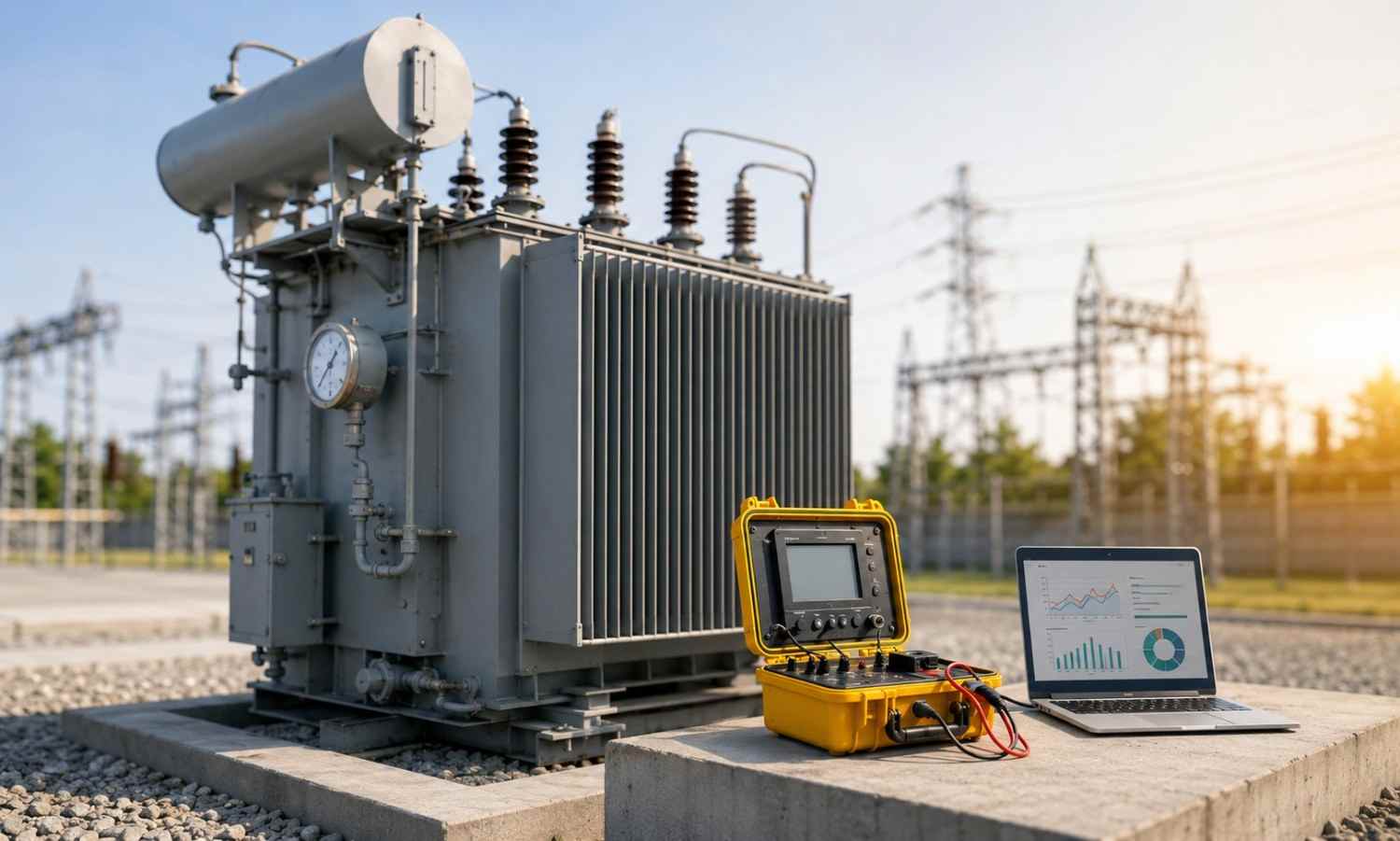
Inside a Transformer Health Check: Step-by-Step Process, Testing, and Analysis
Electricity never takes a holiday in India, and transformers don’t get one either. They quietly work 24/7 until something goes wrong, and then suddenly, everyone notices them.
That is exactly why the transformer health check process plays a critical role in modern Electrical Engineering and Power Systems Engineering. It ensures stability, prevents sudden failures, and improves the long-term performance of electrical infrastructure.
Companies like U.K Electric Co. support industries with expert inspection, maintenance, and solutions, helping operations continue without interruption, even during servicing or breakdown situations. They also provide essential oil filtration services that restore insulation quality and improve system health.
Now let’s break down how a real transformer health check actually works.
Understanding the Transformer Health Check Process (Before We Open the Toolbox)
Before jumping into technical steps, it is important to understand what this section covers.
A transformer is not just a metal box. It is a high-value electrical asset. So, the transformer health check process is a structured evaluation method that checks whether the equipment is safe, stable, and efficient.
Engineers use Condition Monitoring techniques to track early signs of stress. This helps achieve early fault detection, improved reliability, and extended transformer lifespan.
In simple terms, this process answers one question:
“Is the transformer healthy, or is it just pretending to be?”
Transformer Inspection Procedure: First Reality Check
This section explains how engineers begin the actual field inspection.
The transformer inspection procedure starts with visual and physical checks. Engineers from U.K Electric Co. carefully inspect:
- Oil leakage around gaskets
- Bushing condition and cracks
- Abnormal noise or vibration
- Temperature irregularities
- Dust or contamination on surfaces
These observations may look simple, but they reveal early warning signs.
Even a small oil stain can tell a big story, if you know how to read it.
Electrical Transformer Maintenance and Power Transformer Testing
Now we move to the technical heart of the process.
This section focuses on electrical transformer maintenance and power transformer testing, which ensure system safety and performance.
Key Transformer Tests
Engineers perform multiple tests during this stage:
- Insulation resistance testing
- Winding resistance measurement
- Turns ratio test
- Load and no-load testing
These tests help achieve accurate diagnostics and better asset performance.
Why Testing Matters
Testing ensures:
- Improved reliability
- Enhanced safety
- Cost-efficient maintenance planning
- Reduced unexpected failures
According to industry practices followed in Transformer Testing standards (widely referenced in IEC guidelines and power utility manuals), these checks form the backbone of preventive maintenance systems.
Transformer Condition Assessment: Reading the Health Signals
Before explaining this section, here’s the idea: this step is like a medical report for transformers.
The transformer condition assessment process evaluates internal and external health using measurable data.
Engineers study:
- Temperature behavior
- Load patterns
- Oil condition
- Electrical stress levels
This is where Condition Monitoring becomes extremely important. It shifts maintenance from guesswork to data-driven decision-making.
U.K Electric Co. applies structured assessment techniques to ensure better asset performance, improved reliability, and longer service life of transformers.
Transformer Diagnostic Testing: Finding Hidden Problems
Now comes the detective work.
The transformer diagnostic testing phase identifies internal faults that cannot be seen physically.
One of the most important methods used here is Dissolved Gas analysis.
Dissolved Gas Analysis (DGA)
This method detects gases dissolved in transformer oil. These gases form due to:
- Overheating
- Insulation breakdown
- Electrical arcing
DGA helps engineers achieve:
- Early fault detection
- Enhanced safety
- Extended transformer lifespan
- Better decision-making in maintenance planning
This step is widely recognized in Power Systems Engineering as one of the most reliable diagnostic tools.
If results show abnormal gas levels, engineers immediately recommend corrective action to restore oil quality.
Role of Transformer Oil Filtration Services in Health Checks
Before this section, here’s the purpose: oil is the lifeline of a transformer.
Oil acts as an insulation and a cooling medium. Over time, it becomes contaminated.
- Remove moisture and impurities
- Restore dielectric strength
- Improve cooling efficiency
- Extend transformer life
Companies like U.K Electric Co. use oil filtration as part of their maintenance strategy to ensure cost-efficient maintenance and system reliability.
Why the Transformer Health Check Process Matters in Real Life
Before the heading explanation: this section connects technical work with real-world impact.
The transformer health check process is not just technical maintenance—it directly impacts:
- Industrial production
- City electricity supply
- Infrastructure stability
- Energy efficiency
When done correctly, it ensures:
- Reduced downtime
- Improved reliability
- Enhanced safety
- Better grid stability
Even small faults ignored today can turn into major failures tomorrow. That’s why regular inspection is not optional—it is necessary.
Role of U.K Electric Co. in Transformer Health Management
This section explains real-world implementation.
U.K Electric Co. provides complete lifecycle support for transformers, including:
- Inspection and diagnostics
- Maintenance and repair
- Transformer on rent solutions
- Oil filtration services
- Condition assessment support
Their approach combines Electrical Engineering expertise with field experience to deliver accurate diagnostics and reliable performance improvement.
They focus on reducing risks, improving efficiency, and ensuring uninterrupted power systems.
Conclusion: Smart Maintenance Builds Strong Power Systems
To conclude, the transformer health check process is essential for modern electrical infrastructure.
From transformer inspection procedure to transformer diagnostic testing, every step ensures:
- Early fault detection
- Improved reliability
- Enhanced safety
- Extended transformer lifespan
- Better asset performance
With expert support from U.K Electric Co., industries can strengthen their electrical systems using structured maintenance, and flexible solutions.
In the end, transformers don’t fail suddenly; they fail silently. Health checks make sure we hear the warning before it becomes a blackout.