Early Warning Signs of an Electrical Transformer Breakdown
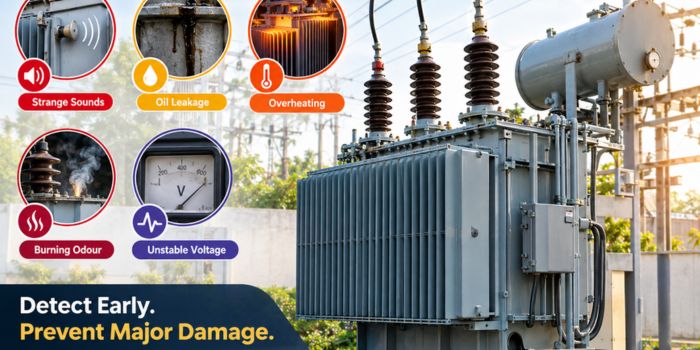
A transformer is essential when it comes to ensuring safety and reliability in your power supply system. However, continued use, poor maintenance, and any form of electrical problem may have an impact on the functionality of your electrical transformer. It is important that you are able to detect any form of electrical transformer breakdown early enough in order to avoid serious damage to the equipment, unplanned power outages, and expensive repairs. Some of the most common warning signs of an electrical transformer breakdown include strange sounds, leakage of oil, overheating, burning odour, and unstable voltage. At U. K. Electric Co., we fully understand the importance of transformer maintenance and repair services. Here is our blog post.
What Causes an Electrical Transformer Breakdown?
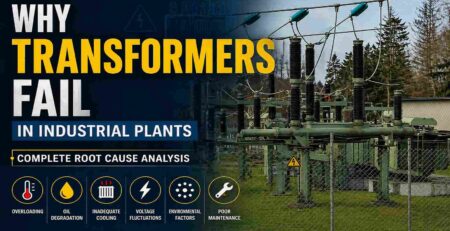
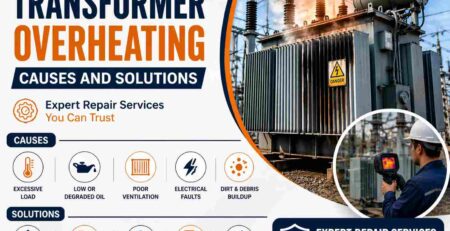
Transformer faults do not just happen all of a sudden. Instead, it builds up slowly due to factors such as overloading, overheating, moisture, the degradation of insulation materials of the winding, or poor maintenance. When transformers are overloaded, the windings of the transformer heat up, causing the insulating material to age faster; air and dust contaminants, loose connections, and overloading contribute to making the fault worse. Therefore, maintenance is way cheaper than sudden repairs, which is why it is important to look out for any early warning signs.
Residential Electrical Transformer: What You Should Know
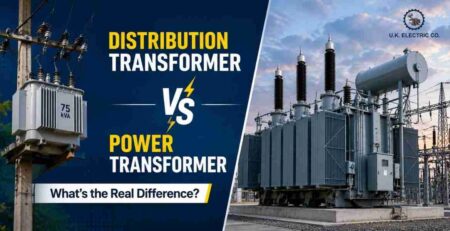
A residential electrical transformer is a device that reduces high-voltage power provided from the power supply to a safe, usable level for individual households and housing societies. You might recognise it as a pole-mounted unit in front of your apartment building, a pad-mounted box in the society compound, or a dry-type unit inside the building. As this is something that your family relies on for your day-to-day life, your power supply can be impacted even by a small fault that might be affecting the lights, fans, air conditioners, lifts, and even the water pumps. Society members and residents should avoid getting close to the transformer, look for damage to the installation area early, and refrain from opening or repairing it by yourself. To ensure an uninterrupted power supply until the repair work is completed, hiring a transformer on rent is a good option. If you are part of a large society or estate, ensure that you have a routine maintenance plan with your management committee.
Electrical Transformer Parts That Often Show Trouble First
Awareness of basic components of the electrical transformer will help one identify the problem areas:
- Transformer core and windings: The core and the windings transform power and are the most heat-sensitive parts.
- Insulating oil: The insulating oil helps cool down the windings and serves as an insulator for the transformer; therefore, its state indicates the health of the transformer.
- Bushings: These devices provide for a safe passage of electricity and may crack or be dirty, causing leaks and sparks.
- Breather and silica gel: These devices protect the insulating oil from moisture and change their colour depending on the degree of saturation.
- Tap changer: This device regulates the level of voltage and may become noisy and worn.
- Cooling fins and fans: Blocked and damaged cooling fins result in poor cooling of the transformer and high temperatures.
- Temperature gauges and protection relays: These devices warn about heat problems, gas accumulation, and oil level abnormalities.
Thus, regular examination of the aforementioned parts allows identifying potential failures.
Transformer Failure Symptoms You Should Never Ignore
You can sometimes recognise some of the symptoms of a transformer failure even if you do not have any technical knowledge:
- Uncommon loud humming, buzzing, or crackling sounds: You could hear the faintest sound; however, a shift in it reveals loose components and internal failures.
- If a transformer is warmer than normal or shows a high thermometer reading, it has an excessive load.
- Insulating oil spil and stains: the presence of dark oil-like spots near connections, on the base or on gaskets indicates leakage of insulating oil.
- It’s caused by the insulation having been left on fire.
- Flickering lights and changing voltages: Any kind of variation in the voltage of your home or your facility indicates either tap changer or winding problems.
- Breakers or fuses are tripping frequently: overload or short circuit should be the cause of the above issue.
- Cracks and bulged tank: External damage most likely indicates an excessive moisture content or pressure inside the battery.
If you notice any of these, stay at a safe distance and call a qualified professional. Timely electrical transformer repair services can prevent a full electrical transformer breakdown and keep repair costs under control.
Common Transformer Faults and Why They Happen
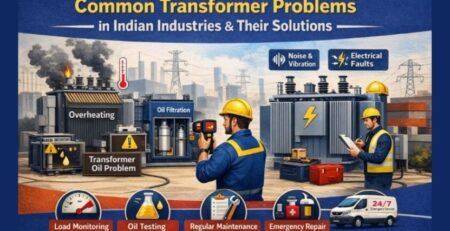
Understanding common transformer faults helps you prevent them:
Overload: Running loads exceeding the rated capacity accelerates the ageing of the insulation.
Insulation breakdown: Heat, moisture, and time wear down the insulation that separates the windings, resulting in short circuits.
Oil contamination: Oil becomes less effective at cooling and insulating when it is contaminated with water, dust, or sludge.
Loose connections: Not tightly securing terminals produces melting spots and sparking.
Bushing cracks or grime may cause flashovers.
Lighting & surge damage: Unexpected voltage increases can cause internal damage to windings and other components.
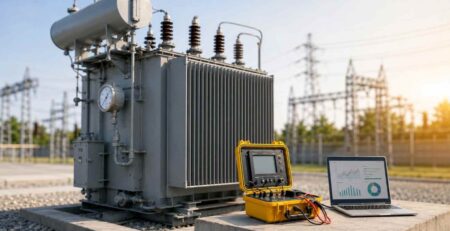
The majority of these faults are slow in developing, which is why regular testing, oil analysis, insulation resistance testing, and thermographic scanning are so important.
How to Reduce the Risk of Transformer Problems
Mitigate the risk of a catastrophic failure in the following ways:
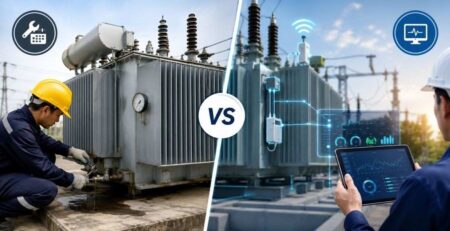
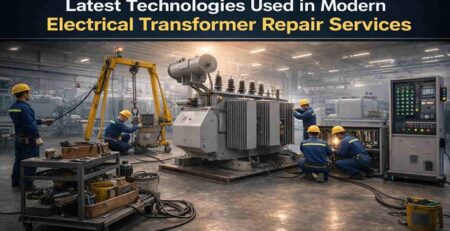
- Arrange for regular inspection and maintenance by a certified electrical team.
- Operate the transformer within its rated capacity.
- Test and filter the insulating oil as needed.
- Make sure to keep your transformer area clean, dry and ventilated.
- Check earthing, terminals, and protection devices regularly.
- Timely replacement of damaged components like gaskets, silica gel and faulty bushings.
And these steps are a small expense compared to the loss of long outages, damaged equipment or interruption to production.
Act Early and Keep Your Power Safe
Transformer breakdowns are much simpler and cheaper to avoid than they are to fix. Watch out for any unusual sounds, heat, smoke, leaks, smell, or variations, and do not dismiss them. At U.K. Electric Co., we have experts who can conduct inspections, maintenance, and repairs for you to ensure your transformer is safe and reliable. Contact us today!