Transformer Load Management: How Overloading Affects Performance and Service Life
Electric_Admin2026-09-17T09:46:23+00:00A transformer is built to manage an electrical load safely and efficiently. If the demand keeps going above that limit, transformer overloading can create much heat, increase losses, stress the insulation and age the equipment early. In industries where power must never stop, knowing and controlling transformer load is an element of dependable electrical work. With regular maintenance and transformer repair services careful load management can spot possible problems before they cause expensive downtime. U. K. Electric Co. provides transformer solutions to help businesses maintain dependable power infrastructure.
What Is Transformer Overloading?
Transformer overloading happens when a transformer works beyond its capacity for a long time. Each transformer has a load limit. This limit depends on things, like how the transformer’s built, what voltage it handles, how it stays cool and the conditions it works in.
Occasional short-term overloads may be possible depending on the transformer’s design and manufacturer guidelines. However, continuous operation beyond the recommended capacity can increase temperature and place additional stress on internal components.
Common causes include:
- Increasing industrial power demand
- Adding new electrical equipment
- Uneven load distribution
- Poor load planning
- Operating a transformer beyond its rated capacity
Understanding the difference between normal loading and excessive loading is essential for effective transformer load management.
How Transformer Overloading Affects Performance
When a transformer carries more load than intended, several changes can occur:
Effect | Impact |
Excessive heating | Higher operating temperature |
Insulation stress | Faster insulation aging |
Increased losses | Lower operating efficiency |
Voltage fluctuations | Potential equipment performance issues
|
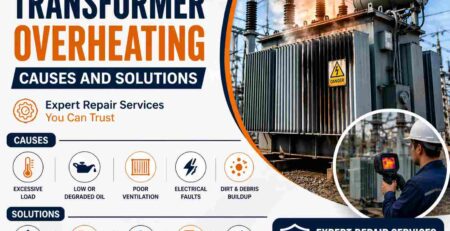
The relationship between load and heat is particularly important. Higher electrical current increases losses in the windings, which can raise the transformer’s operating temperature. Over time, repeated thermal stress can accelerate insulation deterioration.
U. K. Electric Co. can help businesses assess transformer operating conditions and identify maintenance requirements when performance changes are noticed.
Common Transformer Overloading Problems
The effects of transformer overloading are not always immediately visible. A transformer may continue operating while internal components gradually experience additional stress.
Some common transformer overloading problems include:
- Excessive winding and oil temperature
- Faster deterioration of insulation
- Increased electrical losses
- Reduced operating efficiency
- Voltage instability
- Shortened transformer service life
- Greater risk of unexpected failure
Repeated overheating is particularly concerning because insulation aging can accelerate as operating temperature increases. This is why load management should be considered a continuous maintenance activity rather than something addressed only after a fault occurs.
How to Manage Transformer Load
Effective transformer load management starts with understanding how much demand the equipment is handling during normal and peak operating periods.
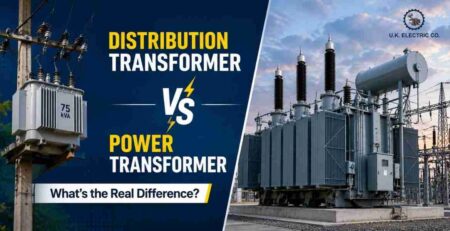
Also Read: Distribution Transformer vs Power Transformer: What’s the Real Difference?
Businesses can take several practical steps:
- Monitor transformer load regularly to identify rising demand.
- Keep operation within the recommended transformer load capacity.
- Track peak loads instead of relying only on average consumption.
- Distribute loads appropriately where the electrical system allows it.
- Review transformer capacity when new machinery or electrical equipment is added.
- Consider capacity upgrades when long-term demand exceeds the existing rating.
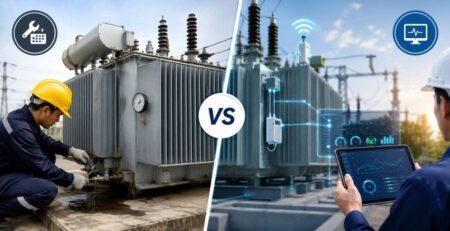
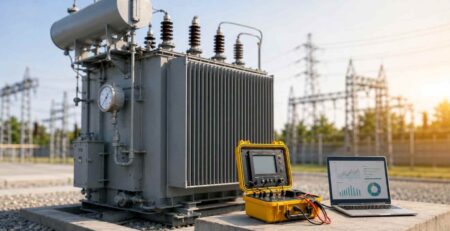
Regular transformer load monitoring can also help maintenance teams spot gradual changes before they develop into serious operating problems. U. K. Electric Co. supports businesses with transformer-related inspection and maintenance requirements based on their equipment and operating conditions.
Transformer Overload Protection
Transformer overload protection helps reduce the risk associated with excessive current and temperature. Depending on the transformer and electrical system, protection may involve overload relays, temperature monitoring, circuit protection, and other protective equipment.
Monitoring both load and temperature is important because a transformer can experience different levels of thermal stress depending on its operating environment and cooling conditions.
If increasing demand is expected to continue, businesses should assess whether the existing transformer can safely handle the additional load. In some situations, arranging temporary capacity through Transformer On Rent may be considered while a long-term solution is planned.
Regular inspection and preventive maintenance also help ensure that protection systems and transformer components remain in suitable working condition. U. K. Electric Co. can assist businesses in evaluating transformer requirements and maintenance needs.
Signs Your Transformer May Be Overloaded
A transformer may show warning signs before excessive loading leads to serious damage. Common signs include:
- Unusual overheating or higher oil temperature
- Frequent protective trips
- Voltage fluctuations during peak demand
- Increased electrical losses
- Unusual noise or operating behaviour
- Consistently reaching or exceeding its rated transformer load capacity
Regular transformer load monitoring can help identify these signs early. If overloading is detected, businesses can consider load redistribution, demand management, maintenance, or additional capacity based on the transformer’s condition.
Conclusion
Transformer overloading happens when a transformer works beyond its capacity for a long time. Each transformer has a load limit. This limit depends on things, like how the transformer’s built, what voltage it handles, how it stays cool and the conditions it works in.
For businesses dealing with increasing electrical demand, early assessment is better than waiting for overheating or failure. With professional inspection, appropriate protection, and timely maintenance. can help businesses keep their transformer assets operating safely and efficiently. If you need support with your transformer requirements, get in touch with the U. K. Electric Co. team.